
Thoughtful structures. Stronger enterprises. Greater possibilities.
The concepts below explore practical ways to build on existing businesses, properties, resources, and relationships to create commercially viable opportunities. They examine how the design of an enterprise or initiative influences its ability to serve its purpose, attract participation, sustain its operations, and grow. Often, the opportunity lies in reconsidering how something already works rather than creating something entirely new. Each is a starting point, not a fixed formula. The possibilities range from stronger communities and opportunities for older adults to wildlife conservation, rewilding, education, or entirely different ambitions.
What a Shift Can Create
-
![]()
Sustainable Volunteer & Community Initiatives
Building lasting participation into initiatives that serve a larger purpose.
A worthwhile purpose deserves an initiative designed to serve it well. The experience of the people it serves, the quality of what is created, the cost of maintaining it, and the interests of those contributing to it are all part of its design. Public attention at launch is valuable, but the initiative itself needs to remain useful, appealing, and sustainable long after that initial attention has passed. Conservation efforts, rewilding projects, public improvements, and charitable initiatives depend on continued engagement, responsible stewardship, and dependable support. An initiative may already be doing valuable work while overlooking opportunities to make participation more appealing, accessible, and rewarding for the people it serves and those who want to contribute.
The Approach
Examine the initiative as a whole, from the experience of the people it serves to its physical design, public identity, operating requirements, and opportunities for collaboration. Make deliberate choices about materials, aesthetics, accessibility, functionality, and upkeep that support both its purpose and longevity. A conservation or rewilding project might incorporate educational activities, habitat restoration, and recurring volunteer opportunities. A public improvement could include distinctive features that encourage discovery and participation. Connect the ongoing needs of the initiative with the interests of businesses, volunteers, community organizations, and the wider public. Design opportunities for participation that allow contributors to pursue their own objectives while supporting the initiative. A business might gain public visibility through an ongoing partnership, while a community organization might incorporate maintenance or educational activities into its existing programs. Businesses could contribute materials, professional expertise, services, or sponsorship through clearly defined partnerships. The structure establishes how these contributions support the ongoing needs of the initiative while creating worthwhile opportunities for those involved. Build public engagement into the initiative itself through distinctive features, storytelling, recurring activities, and opportunities for discovery. The public presentation becomes part of how the initiative attracts participation, establishes relationships, and generates support. Thoughtful choices about materials, upkeep, and repeatable features can make individual projects easier to support while creating opportunities for broader community involvement. Structure the relationships, resources, and financial support generated through public participation to sustain the initiative and support its expansion.
Applications
Focused: Create an individual initiative with a defined purpose, opportunities for participation, and a practical support structure.
Organizational: Establish a coordinated program involving recurring activities, volunteers, sponsors, and professional collaborators.
Larger Scale: Connect multiple conservation sites, rewilding corridors, or community programs through shared standards, partnership structures, funding, and organizational support.
-
![]()
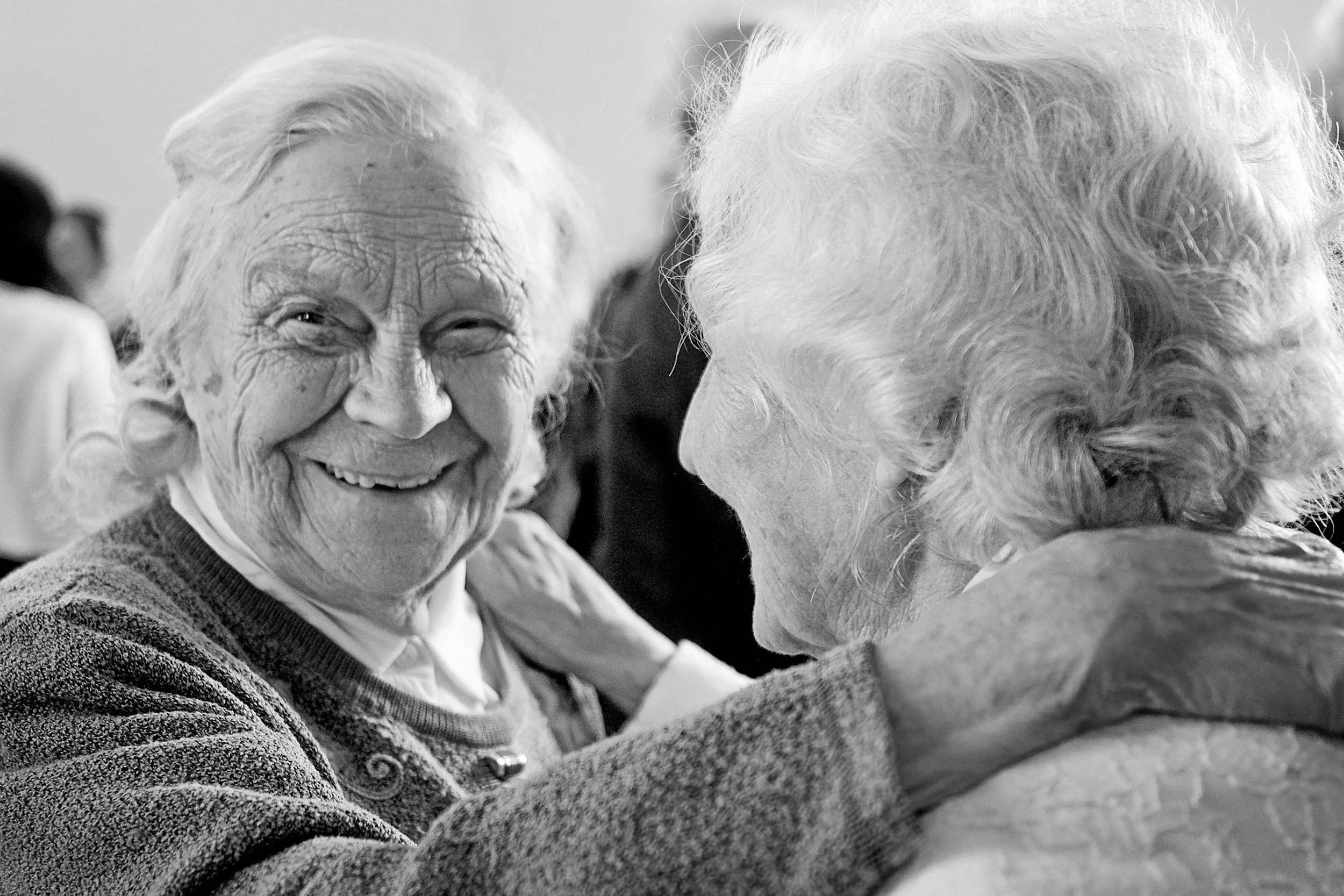
Senior Connection & Intergenerational Learning
Creating new ways for knowledge and experience to move between generations.
Older adults who are homebound or have limited mobility may have fewer opportunities to share their knowledge and remain involved in community life. At the same time, schools and educational organizations are continually seeking meaningful ways to connect learning with lived experience. Existing educational programs, community relationships, and accessible technology offer opportunities to make those connections easier and more meaningful. Rather than establishing an entirely separate program, there is an opportunity to connect these existing environments in a way that supports the educational objectives of one generation while creating avenues for contribution, connection, and the sharing of knowledge for another.
The Approach
Build connections that bring the experience and knowledge of older adults into classrooms and other educational settings through accessible technology. A classroom studying gardening might connect with someone who has spent decades growing plants. Students exploring a profession might learn directly from someone who worked in the field. Design these exchanges around the actual interests of the participants and the educational objectives of the organizations involved, rather than expecting either group to fit into a predetermined activity. Older adults have opportunities to contribute in areas they genuinely care about, while educators gain access to knowledge and experiences that complement their existing programs. Accessible video technology allows participants to connect from homes, residential care settings, classrooms, and community programs. Schools, senior living providers, community organizations, and sponsors could contribute different elements, from educational programming and facilitation to equipment and participant support. By incorporating these exchanges into existing educational programs and community services, participating organizations share resources, infrastructure, and responsibilities rather than each having to establish and maintain a separate initiative. Institutional partnerships, program fees, or sponsorship arrangements could support coordination and continued operation. The way the program is presented also influences participation. Communicating the interests, knowledge, and experiences of older adults gives educators and students a clearer understanding of what each connection offers while recognizing older adults as active contributors. The design accounts for accessibility, privacy, safeguarding, supervision, scheduling, staffing, and the resources needed for continuity.
Applications
Focused: Establish a recurring connection between an older adult or residential setting and an educational group.
Organizational: Coordinate multiple participants, classrooms, and community partners through a supported program.
Larger Scale: Build a regional network connecting educational institutions, senior living providers, and community organizations through shared infrastructure and operating standards.
-
![]()
Experiential Learning & Career Exploration
Helping people discover their capabilities through direct experience and actively shape their future.
People navigating periods of transition are often faced with significant decisions about their future with limited firsthand experience of the possibilities available to them. Direct participation can reveal interests and abilities that conventional descriptions, assessments, and classroom learning may not uncover. Businesses and professionals already possess the environments, expertise, and practical experiences that could make exploration more accessible. These existing enterprises provide opportunities for personal and professional development without requiring the creation of entirely separate learning environments. By connecting people's interests and ambitions with the work already being undertaken by businesses and organizations, experiential learning becomes a way to exercise agency, assume responsibility, develop practical capabilities, and explore new directions.
The Approach
Connect people's interests, existing strengths, and goals with opportunities to participate directly in enterprise, creative work, and service. Establish pathways within businesses, educational institutions, community organizations, and programs supporting people through periods of transition. Experiences may involve creative disciplines, traditional skills, business operations, wildlife protection, conservation, rewilding, land stewardship, community initiatives, or professional services. The way each opportunity is presented can make unfamiliar fields more approachable, helping people recognize what interests them and understand what they can expect to experience. Structure participation around real responsibilities, practical objectives, and opportunities for increasing independence. The experience is designed around what participants want to accomplish and how their involvement contributes to the work of the host enterprise or organization. Participating employers can introduce their industries, observe emerging abilities, and support recruitment or workforce development. Educational institutions and community organizations can connect existing programs with practical experiences offered by businesses and professionals. Businesses may also gain new perspectives, creative contributions, commercial opportunities, or additional capabilities through the projects participants undertake. Where appropriate, participants have opportunities to develop their own income streams, services, or ventures. These reciprocal arrangements give both participants and host organizations reasons to remain invested in the experience. The proposed arrangement defines how participants gain access to these experiences, how hosts contribute expertise and facilities, and how recurring activities could be funded and coordinated. It also addresses supervision, safety, accessibility, guidance, evaluation, and accountability. Each pathway is shaped around the participant's circumstances and the resources, responsibilities, and operating requirements of the organizations involved.
Applications
Focused: Establish an individual pathway or introduce experiential leadership development into an existing educational, professional, or community program.
Organizational: Create recurring experiences and practical projects within an enterprise or organization, drawing on complementary businesses, professionals, and community partners.
Larger Scale: Coordinate a network of employers, conservation organizations, educational institutions, and community partners offering experiences across multiple disciplines and locations.
Explore Reference in the World to see how this model works in practice.
-
![]()
Creative Reuse & Resource Sharing
Turning underused resources into new commercial and community opportunities.
Businesses and institutions regularly retire materials, equipment, displays, and other resources that still have productive applications. Meanwhile, educational programs, creative enterprises, and community organizations may need materials or capabilities that already exist elsewhere. The opportunity lies in recognizing where those resources could have greater value and connecting them with people and enterprises capable of putting them to use. The opportunity extends beyond redistributing unwanted materials. By considering their design potential, commercial applications, and the capabilities of those who work with them, surplus resources become the basis for new products, services, experiences, and enterprises.
The Approach
Put surplus materials and available equipment to work through workshops, commissioned products, educational experiences, public installations, original displays, and practical goods. How the materials are transformed, presented, and experienced can become part of their commercial appeal, helping customers appreciate their usefulness, craftsmanship, and distinctive character. Shape the offerings around the qualities of the available materials, the capabilities of participating makers and organizations, and actual customer demand. Consider how design, production methods, and public presentation influence both the desirability of the finished products and the cost of bringing them to market. Contributing companies could reduce storage and disposal demands, while makers, educators, and participating organizations gain access to supplies for new activities and production. Sales of finished goods, commissions, and paid instruction offer potential income streams. Commercial partners may also commission products made from their own surplus materials, incorporate finished pieces into their properties or operations, or use the resulting work to communicate their approach to resource stewardship. This creates opportunities for ongoing commercial relationships rather than isolated material donations. Establish arrangements between suppliers, makers, educators, and commercial partners that support a reliable flow of materials, productive use of available capabilities, and financial participation where appropriate. The model addresses material suitability, collection, storage, transportation, production standards, pricing, financial participation, and operating responsibilities. The structure connects resource recovery with commercially productive activity, creating a reason for the exchange to continue beyond the initial availability of donated or surplus materials.
Applications
Focused: Establish a productive new use for materials, equipment, or facilities within an existing business or organization.
Organizational: Connect resource sharing with educational activities, commissioned projects, and commercial offerings.
Larger Scale: Build a regional or multi location network coordinating material supply, production, distribution, commercial activity, and participating organizations.
-
![]()
Commercial Opportunities Through Existing Businesses
Helping established businesses grow through opportunities that create greater prosperity and broader benefit.
A business may have more to offer than its primary products and services suggest. Facilities, professional expertise, customer relationships, equipment, and complementary interests can provide the foundation for additional commercial offerings and collaborative initiatives. These existing strengths can also provide opportunities to consider how a business creates value, supports its community, uses resources, and contributes to a healthier, more regenerative economy. Sometimes a relatively small shift in how a business applies its capabilities or engages with others can open additional sources of revenue while expanding its contribution to environmental and community well being. Growth does not always require acquiring more resources, increasing production, or expanding the existing operation. It may come from recognizing a different application for what the business already has, reconsidering how its offerings are structured, or connecting its capabilities with those of another enterprise.
The Approach
Explore additional sources of revenue and customer engagement through assets, expertise, and relationships already present within an established company. A showroom may introduce educational activities and complementary services. A professional practice may develop programs that bring its expertise into new settings. Existing facilities may support collaborative initiatives involving other businesses and organizations. An internal process established to solve a recurring problem might become a standalone service offered to other businesses facing similar challenges. The opportunity is to connect commercial growth with meaningful contributions to the world around the business. This might involve partnerships that strengthen local enterprises, offerings that encourage responsible resource use, initiatives supporting conservation or animal welfare, or arrangements that create greater independence and shared prosperity. Design the offering so that these wider objectives are supported by the commercial activity itself. Consider how customer interests, purchasing decisions, participation, and the interests of commercial partners contribute to both the financial performance of the business and what it wants to accomplish beyond its primary operations. The story, customer experience, and public presentation are crafted to make these opportunities appealing and accessible to the people they serve. Depending on the business, the possibilities may include specialized services, paid experiences, recurring programs, sponsorship arrangements, or ventures with complementary companies. Determine which capabilities the business already possesses, where additional expertise is required, and which elements are better delivered through partnerships. Establish whether the new offering belongs within the existing operation or has the potential to become an independent venture. Development considers customer demand, pricing, participant interests, facilities, staffing, and the responsibilities associated with each proposed offering. The relationship between revenue, operating costs, investment, and capacity determines what is viable and how the opportunity is introduced. For businesses with multiple locations, the approach may also establish a consistent format that accommodates local demand. The underlying structure must support both commercial viability and the broader benefits the business intends to create.
Applications
Focused: A complementary offering or partnership that strengthens an existing business while creating broader benefit.
Organizational: Coordinated commercial opportunities, partnerships, and practices that support regenerative growth and shared prosperity.
Larger Scale: A sustainable business model that can extend across locations or networks, expanding both commercial opportunities and broader benefits.
-
![]()
Place Based Ventures & Community Opportunities
Developing commercial concepts around the distinctive character of a place.
Historic properties, rural landholdings, educational institutions, retreats, resorts, and other destinations often have capabilities, stories, facilities, and surrounding relationships that support opportunities beyond their established uses. A distinctive setting can become the foundation for new commercial activities, collaborative ventures, and experiences that also benefit the surrounding community and local ecosystems. Existing attractions, activities, and local relationships may hold opportunities to make the destination more cohesive, appealing, and commercially productive. Reimagining a destination does not necessarily mean adding more attractions or undertaking extensive construction. It may involve reconsidering how existing spaces are used, how experiences relate to one another, how visitors encounter the place, and how surrounding enterprises contribute to its appeal.
The Approach
Explore opportunities shaped by the history, identity, setting, and particular strengths of a property or destination. A heritage property might connect traditional skills with education and local enterprise. A retreat or rural property might dedicate acreage to habitat restoration and rewilding, pairing ecological stewardship with guided wildlife experiences, conservation partnerships, or complementary programs with nearby businesses. An educational institution might introduce new offerings built around its particular expertise. Consider the physical design, character, functionality, and maintenance requirements of the property alongside the experiences and commercial activities it supports. Create offerings that complement the setting and one another, rather than introducing unrelated activities that place additional demands on the property and its operations. The destination's story can connect its offerings into a more distinctive experience, helping visitors understand what makes the place special, discover what is available, and find reasons to explore further or return. The way a destination is presented also creates opportunities for surrounding businesses. Local knowledge, specialist services, accommodation, food, traditional skills, and existing attractions may form part of the visitor experience without requiring the property owner to establish those capabilities independently. Potential income could come from visitor experiences, instruction, accommodation, specialist services, events, or activities involving neighboring enterprises. Establish how the commercial activities support the continued care of the property, the interests of participating businesses, and the wider experience of the destination. Where conservation or heritage preservation is part of the vision, explore how those activities are incorporated into the operating and revenue model rather than treated solely as additional expenses. The concept establishes how these elements relate to the destination and what would be required to introduce them responsibly. Considerations include visitor demand, capacity, facilities, investment requirements, participating businesses, ecological stewardship, and ongoing management. Determine what the property is equipped to introduce with its existing resources, what requires further investment, and which partnerships create opportunities for subsequent phases. Larger possibilities may involve connected destinations, shared services, or a regional collection of complementary experiences.
Applications
Focused: Create a new offering, conservation partnership, or use for an individual property or destination.
Organizational: Establish a coordinated concept connecting activities, land stewardship, commercial opportunities, and local partners.
Larger Scale: Build a regional or multi location venture linking destinations, rewilding corridors, businesses, educational institutions, and complementary services.





See Reference in Practice
These examples explore how existing strengths, resources, and relationships can be brought together to create stronger enterprises, meaningful experiences, and lasting value. Reference also undertakes commissioned engagements shaped by the circumstances and ambitions of individual clients.
What Could We Develop Together?
What are you considering that could become something more? Whether you're exploring an original idea or seeing new possibilities in something established, let's find out what we could create together.